
Therapeutic Gardens
MJC Horticulture has been involved in numerous projects that demonstrate the power of therapeutic gardens to improve wellbeing, support learning and strengthen connections between people and nature.
Media
Across more than three decades of professional work, founder Michael Casey has contributed to landscape projects that integrate horticulture with human health, education and urban greening.
These projects reflect a growing understanding that landscapes can play a meaningful role in supporting physical and mental wellbeing.
Through media appearances, educational partnerships and real-world projects, MJC Horticulture continues to promote the benefits of therapeutic gardens in schools, community environments and urban developments across Australia.
You can learn more about the experience behind these projects on the [About] page.
Therapeutic Gardens and Human Wellbeing
Well designed landscapes can have a profound impact on how people feel, think and interact with their surroundings. Therapeutic gardens are intentionally designed to support wellbeing through planting, natural environments and thoughtful spatial design.
These landscapes often incorporate sensory planting, shaded seating areas, accessible paths and spaces that encourage quiet reflection or gentle social interaction. Exposure to greenery has been shown to reduce stress, improve mood and support cognitive performance.
Research in horticultural therapy demonstrates that regular interaction with plants and gardens can support emotional resilience, physical recovery and improved mental health outcomes.
By integrating therapeutic gardens into urban environments, landscapes become more than decorative spaces. They become places that actively contribute to human health and wellbeing.
Therapeutic Gardens in Educational Environments
Schools are increasingly recognising the value of therapeutic gardens in supporting student wellbeing and learning outcomes.
One example of this approach can be seen in the work undertaken by MJC Horticulture with Catholic Regional College. Over several years, the consultancy has supported the development of green environments throughout the school campus.
These landscapes have introduced natural planting, garden spaces and vertical greenery into learning areas. A recent project included the installation of a large green wall within a new study hall used by senior students during examinations.
The wall spans approximately fifty square metres and incorporates more than one thousand plants across multiple species. The design was intended to create a calm environment that supports focus and concentration during exam periods.
Projects such as these highlight how therapeutic gardens can play a meaningful role in educational environments by improving wellbeing and strengthening the connection between students and nature.
Media Features and Public Recognition
The work of MJC Horticulture has been featured in several media platforms that explore innovative landscape design and urban greening.
Michael Casey appeared on Channel 9’s A Current Affair as part of the Renovation Rescue segment. He also contributed to the popular television program The Block in 2020, working alongside contestants Harry and Tash on House 1.
These appearances provided an opportunity to demonstrate the importance of horticultural expertise in delivering landscapes that perform well in real-world conditions.
Media features help highlight how therapeutic gardens and urban greening initiatives can improve the quality of residential and community environments.
Urban Greening and Therapeutic Landscapes
As cities become denser, access to nature within urban environments becomes increasingly important. Therapeutic gardens are often incorporated into broader urban greening strategies designed to improve environmental performance and human wellbeing.
These landscapes may include green roofs, green walls, biodiversity gardens and planted public spaces that reconnect people with nature within built environments.
MJC Horticulture frequently contributes to projects where green infrastructure is integrated into buildings and public spaces. These projects support cooler urban temperatures, improved air quality and healthier environments for communities.
Organisations such as Therapeutic Horticulture Australia continue to promote the benefits of therapeutic gardens in supporting mental health and community wellbeing:
https://tha.org.au/
Industry Leadership and Knowledge Sharing
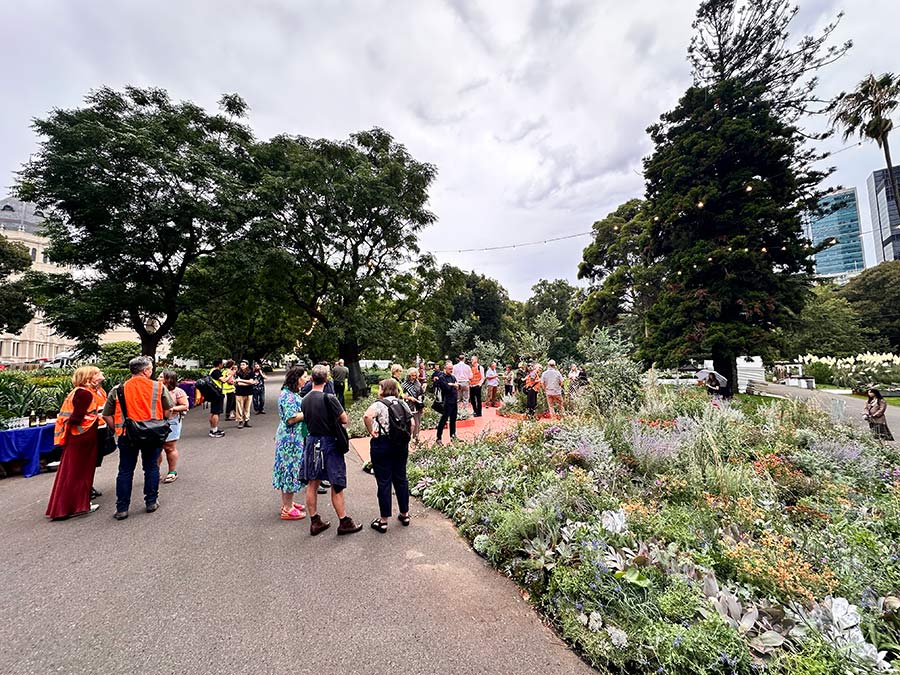
Michael Casey has played an active role in advancing the conversation around therapeutic gardens and urban greening within the horticultural industry.
He served as National President of the Australian Institute of Horticulture from 2018 to 2022 and continues to contribute to national discussions about green infrastructure and sustainable landscape design.
Michael is also a regular contributor to Hort Journal magazine where he shares insights on horticulture, green infrastructure and the lessons learned from landscape projects around Australia.
Through presentations, training programs and industry collaboration, MJC Horticulture helps strengthen knowledge about the value of therapeutic gardens within modern landscape practice.
Landscape Projects That Support Wellbeing
Many landscape projects within the MJC Horticulture portfolio demonstrate how planting design and natural environments can support wellbeing.
These projects range from school gardens and community landscapes to residential outdoor environments that provide spaces for relaxation and connection with nature.
By carefully selecting plant species, designing accessible pathways and creating comfortable outdoor environments, landscapes become places that people genuinely enjoy spending time in.
Through this work, therapeutic gardens become an important part of creating healthier living environments for communities.
You can explore additional landscape examples and projects on the [[link: /green-infrastructure]] page.
The Future of Therapeutic Gardens
The role of therapeutic gardens within urban environments continues to grow as cities seek healthier and more sustainable ways to design outdoor spaces.
Increasing research highlights the benefits of natural environments for stress reduction, improved concentration and enhanced community wellbeing. As a result, many new developments now include gardens designed specifically to support human health.
MJC Horticulture continues to work with architects, schools, organisations and developers to integrate these ideas into landscape projects across Australia.
These landscapes demonstrate that thoughtful horticultural design can improve both the environmental performance of cities and the quality of life for the people who live within them.