Green Infrastructure

The portfolio of MJC Horticulture showcases over three decades of projects focused on practical and high-performing green infrastructure. These landscapes reflect the experience of founder Michael Casey and demonstrate how thoughtful horticultural design can transform urban spaces.

Projects

Across Melbourne and projects throughout Australia, the consultancy has supported developments that integrate nature into built environments.

Each project focuses on ensuring landscapes function well over time while delivering environmental and social benefits.

From residential courtyards to large-scale urban landscapes, the work highlights the role of green infrastructure in shaping healthier and more resilient cities.

You can learn more about the consultancy and the experience behind these projects on the [About] page.

Michael Casey
Michael Casey

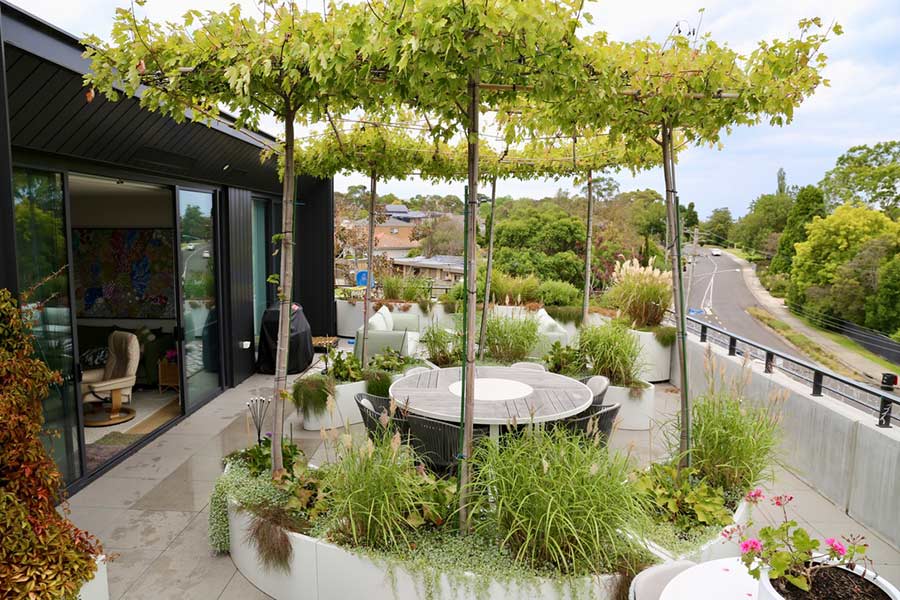
Residential landscapes provide an opportunity to introduce nature directly into everyday life. Many projects delivered by MJC Horticulture demonstrate how carefully designed gardens can become valuable extensions of living spaces.

Courtyards are a particularly effective example. Regardless of size, a courtyard can provide privacy, visual connection to nature and spaces for relaxation or social interaction. Through thoughtful planting and layout design, these environments can support biodiversity while remaining enjoyable for many years.

The integration of green infrastructure within residential settings allows homeowners to experience the environmental and lifestyle benefits of nature directly around them.

These landscapes often incorporate planting systems that improve soil health, manage water naturally and support long-term sustainability.

Michael Casey
Michael Casey

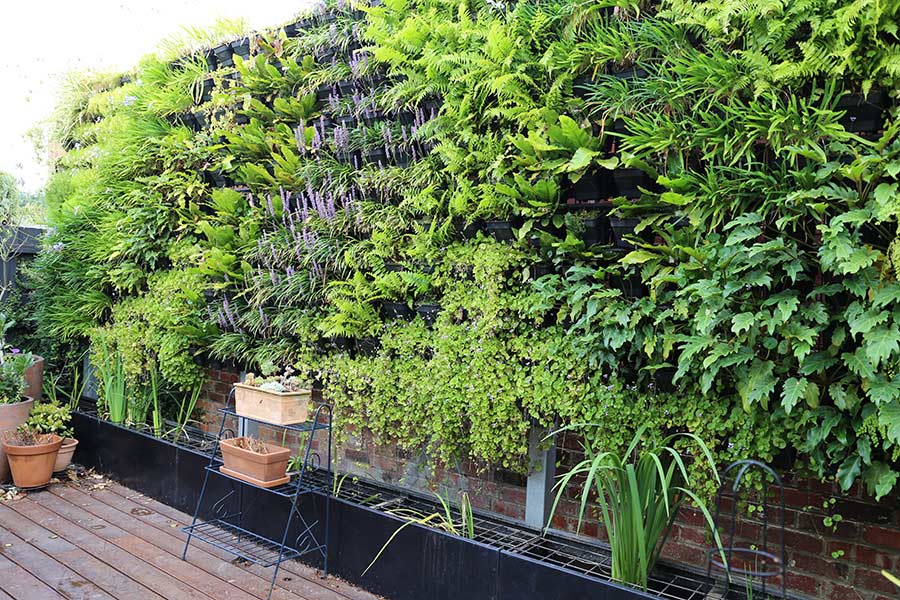
Vertical gardens have become a key component of modern green infrastructure in cities where space is limited. These systems introduce living plants to walls, facades and interior spaces, allowing buildings to support greenery even when ground space is restricted.

Also known as green walls, these installations can be designed using containerised systems, felt-based planting structures or integrated green facades. Each system must be carefully planned to ensure plant health, irrigation performance and long-term maintenance success.

Projects delivered by MJC Horticulture demonstrate how green walls can transform both indoor and outdoor environments. They may include ornamental plant displays, biodiversity focused planting or even productive vertical gardens.

By carefully selecting plant species suited to the conditions of each location, these living systems remain healthy and visually striking over time.

Michael Casey
Michael Casey

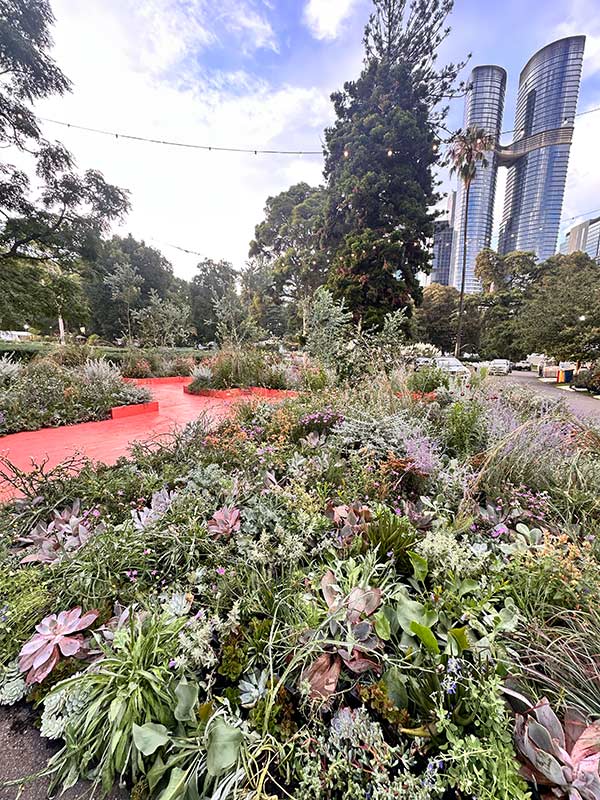
Large-scale landscapes present unique opportunities to implement ambitious green infrastructure strategies.

Commercial developments, schools, residential estates and mixed-use precincts often include expansive outdoor areas where planting systems, open spaces and community landscapes can work together.

MJC Horticulture has contributed to projects across these sectors, supporting the creation of gardens, food landscapes, community spaces and biodiversity focused environments.

These projects demonstrate how green infrastructure can connect people with nature while improving environmental performance within urban developments.

By integrating planting, soil systems and water management strategies, large landscapes can deliver long-term ecological and social value.

Michael Casey
Michael Casey

Landscape structure plays an important role in supporting successful green infrastructure. Hardscape elements such as paving help define movement through a landscape while linking buildings and garden spaces.

Thoughtfully designed paving paths can guide visitors through gardens, connect outdoor rooms and support accessibility throughout a landscape. Materials are selected carefully to complement surrounding planting and architectural elements.

Through careful planning and specification, paved surfaces become an integrated component of the landscape rather than simply a functional feature.

This balance between structural design and planting ensures that green infrastructure remains both practical and visually engaging.

Michael Casey
Michael Casey

Water features often form an important component of green infrastructure within residential and recreational landscapes.

Pools and water features can enhance outdoor spaces when they are integrated thoughtfully with planting, structures and garden design. MJC Horticulture works with trusted construction partners to ensure these elements complement the broader landscape.

Projects range from compact plunge pools within urban courtyards through to larger family pools and recreational water environments.

When combined with planting design and surrounding garden structures, water features contribute to landscapes that support relaxation, visual interest and outdoor living.

Michael Casey
Michael Casey

Sustainability is a central goal for many modern landscapes. Through environmentally responsible design practices, landscapes can support biodiversity while reducing environmental impact.

Many projects delivered by MJC Horticulture incorporate therapeutic gardens designed to support wellbeing and human connection with nature. These spaces are commonly developed for schools, healthcare environments and community facilities.

Research increasingly shows that exposure to natural environments can improve wellbeing and reduce stress. Landscapes designed with these principles in mind become important community assets.

Organisations such as Therapeutic Horticulture Australia highlight the growing role of therapeutic gardens in improving community health and wellbeing:
https://tha.org.au/

These projects demonstrate how green infrastructure can deliver benefits that extend far beyond aesthetics.

Michael Casey
Michael Casey

Timber structures introduce warmth and natural character to outdoor environments while supporting the broader goals of green infrastructure.

Decking areas, garden screens and timber features can provide gathering spaces, shade structures or architectural highlights within a landscape.

MJC Horticulture encourages the use of sustainably sourced or recycled timber wherever possible. These materials contribute to environmentally responsible landscapes while offering durability and visual appeal.

When integrated with planting and garden design, timber structures enhance the overall experience of the landscape.

Michael Casey
Michael Casey

Water gardens represent another powerful expression of green infrastructure within landscape environments.

Natural creeks, ponds and water features are increasingly incorporated into urban landscapes through principles of biophilic design. These environments help reconnect people with natural systems and provide calming sensory experiences.

Research indicates that water landscapes can support mental wellbeing, improve focus and reduce stress levels.

Through careful planning and ecological design, water gardens become landscapes that support both environmental health and human wellbeing.

Discuss your Project.

Successful landscapes begin with clear advice and practical planning.

If you are preparing for a project involving landscape construction, MJC Horticulture can provide independent technical guidance to help ensure the landscape performs long-term.